Greece tours give every traveler an easy way to see the country. Couples, families, friends and solo visitors all find a trip that fits, from sunny islands to old stone temples. Each tour takes care of planning and local rides.
This guide from My Greece Tours covers the sights, the kinds of trips and the comforts that come with them. It moves region by region, so choosing feels calm and clear for first-timers and returning visitors alike, wherever they land.
Why Book Greece Tours In The Cyclades?
The Cyclades are the easiest place to start, because boats, guides and meals are arranged for you. Every stop looks like a postcard. Travelers can also browse more ideas at Greece tours and Tours In Greece before booking.
What are the highlights of the Cyclades?
Santorini draws visitors to its white cliff villages above the sea. Mykonos is known for the windmills on its hill. Delos is an island sanctuary where pilgrims came to honor a god, and its ruins lie open to the sky.
Milos is famous for its sea caves, which boats slip into on calm days. Naxos has an old town of winding lanes and sunny little squares. Paros offers the pretty harbour of Naoussa, where fishing boats rest beside waterfront cafes.
What Greece tours can you join in the Cyclades?
Private tours with a driver-guide or skipper are priced for the whole party. Couples, families and friends share a calm day on their own schedule. Boat cruises with swim stops suit anyone who loves the water and the breeze.
Full-day trips from Athens by coach suit travelers based in the capital who want a planned, easy day. Snorkel and beginner scuba trips please curious swimmers, while cooking classes and wine tastings suit food lovers and relaxed evenings.
What support do Greece tours in the Cyclades give travelers?
Lunch or a BBQ meal on board keeps energy high, and drinks, sometimes unlimited, keep everyone cool in the sun. A licensed or local guide explains each stop, so the views come with real stories and useful tips.
Snorkel gear lets beginners explore clear water without extra shopping or stress. Free time to explore means travelers wander the lanes at their own speed. Wine tastings and swim stops add easy, happy moments to enjoy on every trip.
What tips help travelers in the Cyclades?
Choose a morning start to beat the heat and the biggest crowds. Wear light clothes and flat shoes that grip, because spray makes boat floors slick and slippery.
Pack a hat, sunscreen and a light jacket for the breeze on the boat. A small towel and a spare shirt are handy for swim time and sudden wind on deck.
How Do Greece Tours In The Capital Work?
Each tour in the capital starts at a set meeting point with a guide and a clear plan. The pace stays easy for every traveler. Visitors can read this Athens itinerary for first-timers to plan the days ahead.
What are the highlights of the capital?
The Acropolis hill rises above the city with its famous temples and wide views. The Theatre of Dionysus below is where Greek plays began. The Acropolis Museum nearby shows the statues and carvings found on the hill, in airy halls.
The Roman Agora, an old market square, holds the Tower of the Winds. Hadrian’s Arch stands close to the shady and calm National Garden. Psyrri, the old quarter, buzzes with cafes, while Cape Sounion offers a seaside temple at sunset.
What Greece tours can you join in the capital?
Guided walking tours suit first-time visitors and solo travelers, who learn the story behind each stone. Private tours with a driver-guide or skipper are priced for the whole party. They suit families and friends who want their own pace.
Among Greece tours here, boat cruises with swim stops suit couples who love sea air and a cool dip. Cooking classes and wine tastings fill a whole evening with flavor, laughter and good company, even for solo travelers and beginners.
What support do Greece tours in the capital give travelers?
A licensed or local guide turns old stones into clear stories. That matters most for travelers who know little about Greek history. Lunch or a BBQ meal keeps the day relaxed and gives tired legs a long, welcome rest.
Drinks, sometimes unlimited, keep visitors cool on hot afternoons, which matters for young and old travelers alike. Wine tastings add a pleasant pause, and swim stops on coastal cruises give a fresh break from the busy city heat.
What tips help travelers in the capital?
Start early at the Acropolis hill, before the sun climbs and the crowds grow. Wear shoes with strong grip, because the old marble is smooth and shiny from footsteps.
Bring a hat, sunscreen and a light bag for small items. Plan a long lunch in the shade after the morning walk, and rest before the lively evening streets fill.
What Makes Greece Tours In Crete And Beyond Worth Booking?
Crete and the islands beyond mix palaces, beaches and old harbours. Each tour gives a fresh taste of Greece in a single trip. Local guides keep every story simple and every day smooth, from the first stop to the last.
What are the highlights of Crete and beyond?
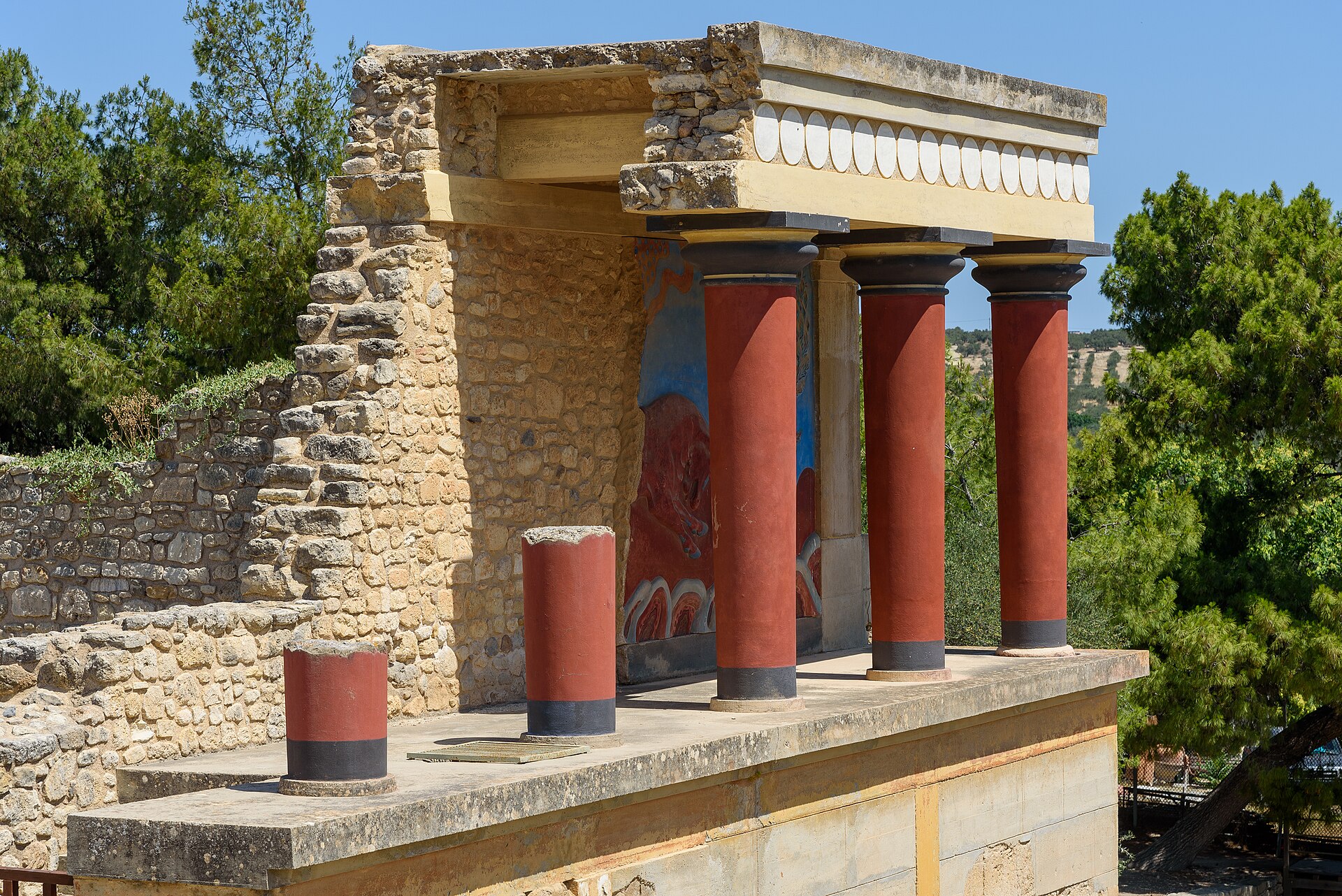
Knossos was the grand palace of the ancient Cretan kings and still feels like a maze. Chania old harbour glows warmly at dusk. The lagoons of Balos and Elafonisi shine in turquoise water, and soft sand slopes into the shallows.
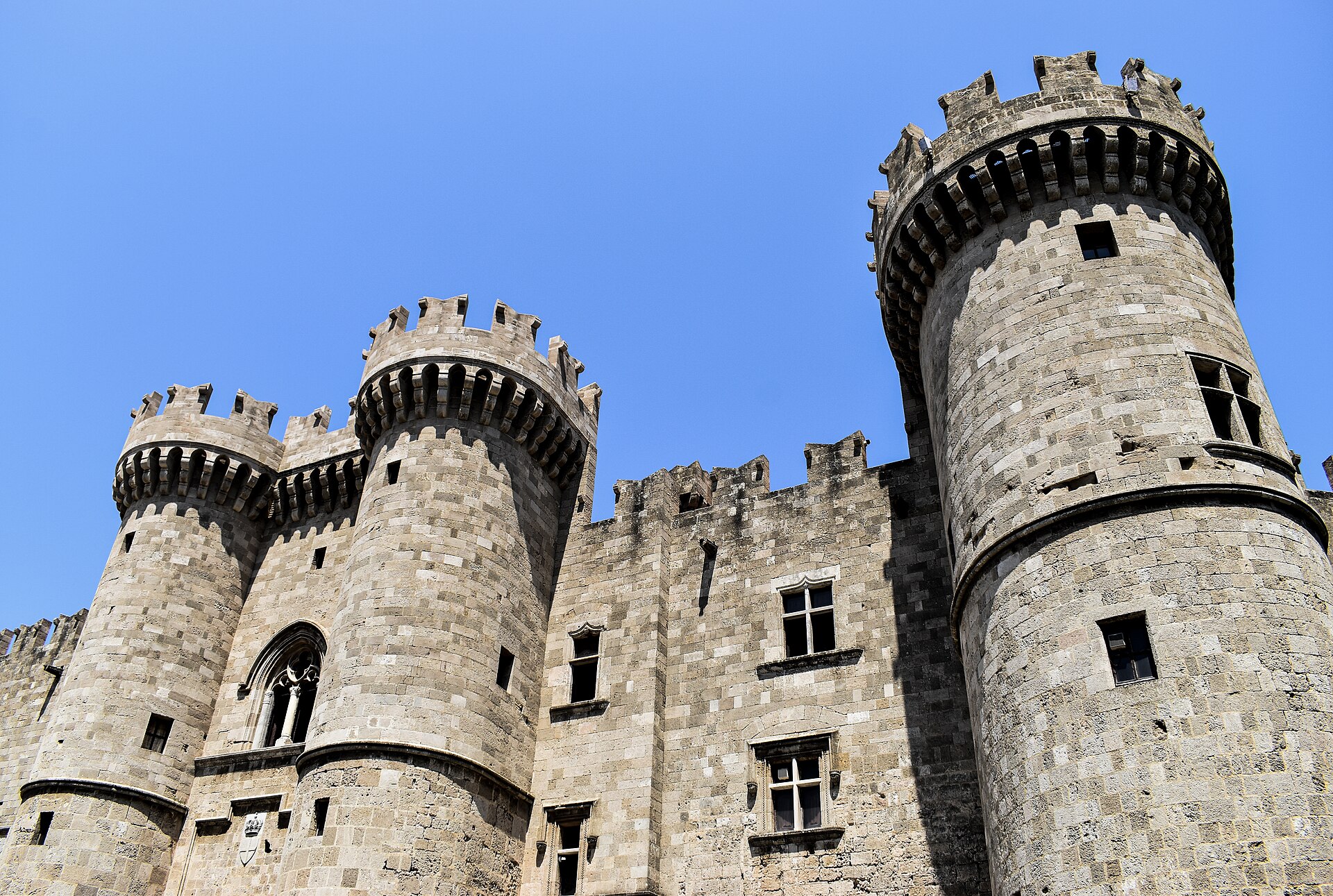
The Old Town of Rhodes keeps its medieval walls, and Lindos climbs a hillside above a bright bay. Corfu old town charms with shady arcades and squares, while Navagio on Zakynthos is the famous shipwreck beach, hidden between tall cliffs.
What Greece tours can you join in Crete and beyond?
Private tours with a driver-guide or skipper are priced for the whole party. They fit families and friends who want flexible stops. Boat cruises with swim stops suit beach lovers and couples heading for the lagoons and sunny bays.
Guided walking tours and full-day trips from Athens by coach suit first-timers who like clear plans. Entry tickets suit travelers who want to explore at their own pace. Cooking classes and wine tastings suit food fans of every age.
What support do Greece tours in Crete and beyond give travelers?
Lunch or a BBQ meal after a morning of sightseeing restores energy, and drinks, sometimes unlimited, keep travelers cool. A licensed or local guide brings Knossos and the old harbours to life with simple, vivid stories for curious travelers.
Entry tickets mean less time waiting at busy gates and more time inside the palaces and ruins. Wine tastings and swim stops add relaxed pauses that make a full day feel gentle, even in the long summer heat.
What tips help travelers in Crete and beyond?
Visit the lagoons in the morning, when the water is calm and the beach is quiet and empty. Wear sandals that grip, and carry a hat and sunscreen for the open shore.
Travelers who like quiet places can read about hidden gems in Crete before they go. Pack a light jacket for windy evenings by the old harbour.
What Should You Know About Greece Tours In Ancient Greece?
Ancient Greece tours lead travelers to the places where myths, theatre and the first games began. A guide explains each stop in plain words. History fans can start with Greece historical tours for sites well beyond the capital.
What are the highlights of ancient Greece?
Delphi was home to the Oracle, where people once asked the gods for wise advice. Its museum shows the statues and gifts found there. The rock monasteries of Meteora perch on tall stone pillars above green valleys and quiet villages.
Mycenae holds the royal tombs of kings. The great theatre of Epidaurus is famous for its clear sound. Nafplio charms with its old town, Olympia has the stadium of the first games, and the Corinth Canal cuts through tall cliffs.
What Greece tours can you join in ancient Greece?
Small tours with few travelers feel friendly and suit solo visitors and couples who like to ask questions and swap stories. Full-day trips from Athens by coach reach Delphi or Epidaurus and suit families who like an easy, comfortable ride.
Guided walking tours explain each ruin step by step in clear, friendly words. Entry tickets suit travelers who prefer to explore alone and linger. Multi-day tours with hotel nights cover Meteora and farther sites without rushing the day.
What support do Greece tours in ancient Greece give travelers?
A licensed or local guide explains myths and ruins in plain words, which helps travelers who do not know the history. Entry tickets arrive ready, so nobody stands at the gate searching for a wallet or a map.
Hotel nights on multi-day trips remove long, tiring drives after dark and give families, couples and solo visitors a proper bed. Travelers wake up close to the next site, rested and ready, with fresh energy for the day ahead.
What tips help travelers in ancient Greece?
Visit ruins early or late, when the sun is softer and the paths are calmer. Wear sturdy shoes, since the ground is rough and uneven, and carry a little cash for small shops.
Bring a hat, sunscreen and a small bag. Ask the guide for shady spots to rest between stops, and keep a light layer for cooler hills.
Conclusion: Best Greece Tours, Planned Well
Well-chosen Greece tours remove the stress and leave the joy. Islands, the capital, Crete and the ancient sites each have a different mood. Every traveler, from solo visitors to big families, finds a trip that fits their pace and dreams.
Pick the region that excites you most, then match the tour kind to your pace and mood. Check the best time to visit Greece before booking. The trip will then feel as smooth as the sea on a calm morning.
Frequently Asked Questions About Best Greece Tours
Which month suits Greece tours best?
Late spring and early autumn bring warm seas, soft light and fewer crowds, making sightseeing and swimming a joy. Summer suits beach days, but the heat is strong at ancient sites, so plan those visits for early mornings.
Are Greece tours good for couples?
Yes, couples love them for the calm, easy pace, the shared views and the time together. Boat cruises, private tours and wine tastings create quiet, romantic moments on land and sea, without stress about maps or bookings.
Which season is quietest for Greece tours?
Winter and early spring are quietest, with calm streets, short lines and open sites for slow, thoughtful visits. Island ferries and cafes slow down then, so the capital and mainland sites fit those months best and feel peaceful.
How do you pick the right Greece tours?
Start with the region and the mood you want, then match Greece tours to your pace and budget. Read what is included, such as meals, guides and tickets, and ask how busy each day will be before you book.
Do Greece tours include a guide?
Yes, a licensed or local guide leads every guided tour, explains each stop and answers questions along the way. Entry tickets are the choice for travelers who prefer to explore alone and read the signs at their own pace.
Can Greece tours be private?
Yes, private tours with a driver-guide or skipper suit couples, families and friends who want comfort and space. They are priced for the whole party and follow your own schedule, so stops, meals and swim time stay flexible.
How do you budget for Greece tours?
Set one total amount for the trip, then split it between Greece tours, transport, food and a small cushion for extras. Plans that bundle entry and transportation are easier to price and easier to compare.
What drives the cost of Greece tours?
Season, island distance and the style of guiding set the price of most trips. Summer weeks cost more than spring or autumn, and private guiding costs more than a shared bus tour.
Short outings from the capital sit at the low end of the scale, since they need no hotel change. The day trip ideas from Athens show how far one base reaches.
Boat days and long transfers add the most to a budget. Each extra island on the route adds a ferry, a hotel change and more time spent on the move.
Bundled Greece tours also lower the risk of surprise costs. A fixed plan for entry, transport and guiding means fewer small payments on the day.
Where can you save on Greece tours?
Travel in spring or autumn, and skip additional extras that you will not use on the day. Free time between tours costs nothing and lets travelers wander through local streets.
Walking costs little because the guide and your own feet do the work. The guide to walking tours in Greece explains how to explore cities and villages on foot.
Trains and local buses also keep costs low while showing real scenery from the window. The guide to scenic train rides maps out routes, highlights and planning tips for the trip.
How early should you book Greece tours?
Book Greece tours as soon as flights and dates are fixed, and reserve the busiest sites and island ferries first. Spring and autumn leave more room to choose, even for popular sites.
Which Greece tours fill up first?
Boat days, sunrise site visits and cooking classes fill first because each has limited availability. Private guides book out fast in the busy summer weeks, so early messages win the best times.
The guide to island tours from Athens explains how boat days, ferry timing and hotel stops fit together. Read it before choosing dates for any island plan.
Winter brings fewer boats and shorter daylight hours, so flexible dates matter more in that season. Many island services slow down, and some close until spring.
What should you lock in first for Greece tours?
Fix the long ferry legs and the most popular tours before anything else, since those choices shape every other day. The overview of ferries, flights and island hopping shows which links need early booking.
Hotels near ports and historic towns come next. Choose reservations with flexible cancellation, so the itinerary stays workable if the weather shifts or a boat is late.
Leave a free day near the end of the trip as a safety margin. A late ferry then cannot ruin the flight home, and tired travelers get a real rest.
Rail and coach seats on busy routes also sell out near public holidays. Reserve those connections as early as the ferries.
How do couples pick Greece tours?
Couples choose Greece tours by pace first, then by mood, so quiet mornings and sunset views beat a packed list. Each partner should name one must-see before booking, then share the final plan.
Which Greece tours suit a quiet, romantic trip?
Choose small-boat sunset trips, wine tastings and village walks over packed coach days. A slower pace leaves time to talk, to taste local food and to watch the light change.
Peaceful villages add to the romantic mood and give couples more space. This guide to off the beaten path Greece shows hidden corners beyond the busy trails.
Evening tables with a view of the sea matter as much as any ancient ruin. Reserve dinner early in the busy weeks, and ask for a table at sunset.
Sunrise at a quiet beach or hilltop chapel gives couples a calm start before the crowds arrive. Many tours leave early, so ask about start times.
How do couples balance rest and sights?
Pair one full sightseeing day with one slow day by the sea. This rhythm keeps both partners happy on longer Greece tours and stops the trip from feeling like a race.
A self-drive day adds freedom for two. Ideas for scenic drives in mainland Greece include coast roads and mountain villages with plenty of places to stop.
End the day somewhere calm. These eco-friendly places to stay in Greece suit couples who want comfort, quiet and a lighter footprint.
How do you manage tickets for Greece tours?
Keep every ticket, voucher and booking code in one folder on your phone, and carry a paper backup for each day. Read what each tour covers, since some Greece tours include entry and others do not.
Which tickets need booking ahead on Greece tours?
Popular sites and boat excursions sell their spaces early in summer, so reserve those first. Only state-licensed guides may lead visitors inside Greek archaeological sites and museums.
Monasteries set their own rules for dress and quiet. The guide on how to visit Greek monasteries covers routes and manners, so read it before any visit.
Protected nature areas also limit entry to keep wildlife safe. The guide to nature reserves to visit in Greece explains what to plan before arrival.
Ask each host how to cancel or change a reservation. Clear terms save unnecessary stress if the weather turns.
How do you keep tickets organised on the road?
Name each file by day and destination, so the right code opens in seconds. Charge a power bank, and keep photo ID with the tickets.
Screenshots help when the signal drops in a valley or on a boat. Save every code before leaving the hotel each morning.
Print the important pages in case a battery dies. A single folded sheet with names, dates and meeting points is enough.
Visitor limits protect fragile places, and every traveler gains from them. The tips for sustainable travel in Greece explain how to explore with care.
Which Greece tours fit a one-day stop?
A one-day stop suits Greece tours near one base, like the Acropolis in the morning and the old town after lunch. Short plans leave no room for ferries, long drives or complicated transfers.
What can you see in a single day?
Athens gives the most in the least time, because the main sights sit close together. The Acropolis, the museum beside it and the old streets below are all within easy reach.
Early starts beat the heat and the queues, and the light is softer for photos. The guide to avoiding crowds at the Acropolis shares smart ways to keep the visit calm.
Tickets matter most on a tight schedule, since a long line can use up the whole morning. Read about Acropolis tickets in advance before the day begins.
Inside Greek archaeological sites and museums, only state-licensed guides may lead visitors. A licensed guide turns stones and statues into stories that a teenager can enjoy.
How do you keep Greece tours calm and safe on a short stop?
Short stops work best with one main sight and one long meal in a shady spot. Add a second sight only if energy stays high.
Wear comfortable shoes, carry water and keep valuables close in crowded places. These safety tips for Greece cover the basics for every traveler, from big cities to quiet islands.
Set a firm departure time for the last train, boat or flight. Greece tours that finish early leave room for a slow coffee and a calm walk back to the station.
Which Greece tours fit a long weekend?
A long weekend suits Greece tours based on one island or region, with a few guided outings and time for the sea. Moving between bases wastes precious hours that are better spent on the water.
Which base works best for a short island break?
Choose an island with a quick flight or ferry link from Athens, so the trip starts soon after landing. Less time in transit means more time on the sand.
A guided boat day and a food tasting fill the days well. Look for authentic and private experiences, like a village walk or a home-cooked meal, for a real feel of island life.
Greece tours with free afternoons suit couples, families, friends and solo travelers alike. Everyone can rest or explore at a personal pace, and nobody feels rushed.
How do you pack and pay for a weekend away?
Pack one small bag of clothes that mix and match for a boat, a beach or a dinner. The guide to packing light for island tours shows how to bring less and move faster.
Short trips spend a bigger share of the budget on flights and hotels. These budget tips for Greece help spread the money across meals, boats and sights, so nothing runs short.
Book the Greece tours that matter most first, then leave one slot open. A free slot lets the weather decide, which matters on windy boat days.
Which Greece tours fit a full week?
A full week fits Greece tours that join Athens with one or two islands, plus a rest day in the middle. This mix gives culture, beaches and room to breathe.
How should you shape a week of Greece tours?
Start in Athens for history, then move to the islands for sea and sun. This order keeps the biggest sights for fresh legs and ends the trip with rest.
A fully hosted plan removes the daily choices, which many travelers enjoy. Read about Greece escorted tours to see how a guide, a driver and a set route work together.
Self-guided travelers can mix both styles of Greece tours. Book guided days for the big sites and keep the other days free for wandering, markets and long lunches.
What manners help over a full week?
Small courtesies earn warm smiles from hosts and guides across the country. Greet shop owners, dress with care at churches and ask before taking photos of people.
The guide to cultural etiquette for Greece gives clear, practical advice on polite travel. Those habits matter most in small villages, where everyone notices a respectful visitor.
Over a week, even short chats with hosts and guides add to the trip. Learn a few Greek words, such as hello and thank you, and use them with a smile.
Which Greece tours fit a fortnight?
A fortnight fits Greece tours that include mainland sights, several island bases and a slower pace with time for favorite places. Two weeks reward travelers who do not rush.
Which Greece tours suit a slow fortnight?
Mix guided days with free days, and spread the mainland sights over several mornings. The guide to Greece private tours shows how a personal itinerary works for couples, families, friends or solo travelers.
Mainland highlights such as Delphi, Meteora and Olympia reward the extra time. A fortnight also leaves room for a ferry day between islands and a rest day on the beach.
Choosing the right style matters more as trips grow longer and the plan has more moving parts. The guide to choosing the right Greek tour helps match pace, comfort and interests.
Keep a loose list of backup ideas for rainy or windy days. A museum, a cooking class or a quiet café saves the day.
How do seasons shape a fortnight?
Spring brings flowers and mild days, summer brings sea weather, and autumn keeps the water warm. Winter is peaceful and best for the mainland, where cities and ancient sites stay open.
Local festivals also shape the calendar in towns and villages across the country. Read about Greek holiday customs to see how traditions change from season to season.
Plan big moves around those dates. A public holiday can close sites, slow ferries and fill hotels, so check the calendar before booking.
Build in a few peaceful days along the way. Greece tours feel best when the schedule has space for long meals, sea swims and slow evenings.
Which places do Greece tours visit?
Greece tours visit three kinds of places: classic islands, ancient mainland sites and large islands with history, beaches and mountains. Each kind suits a different mood and pace, and most trips mix all three for variety.
Islands
Island stops bring white villages, clear water, blue-domed churches and slow evenings by the sea. Most trips pick a few of these favorites for the sunset views and easy beach days.
- Santorini, known for sunset views above a flooded volcanic bay and white villages
- Mykonos, known for old windmills, whitewashed lanes and lively beach evenings
- Naxos, known for long sandy beaches, mountain villages and a giant marble gate
- Paros, known for fishing harbors, sandy bays and calm village lanes
- Milos, known for white rock coves, colorful fishing houses and clear water
Mainland
The mainland holds the ancient sites that tell the story of early Greece and its first cities. Roads link these places to the capital, so they fit into many trips of different lengths.
- Athens, known for the Acropolis, the Parthenon and lively old neighborhoods
- Delphi, known for the ancient oracle high on a mountain slope
- Meteora, known for old monasteries built on tall rock pillars
- Olympia, known as the birthplace of the ancient Olympic Games
- Mycenae, known for the Lion Gate and its ancient hilltop fortress
Large islands
Large islands need more time, but they reward it with history, mountains and long coastlines. Many trips give each one a few days, with a rental car or a local driver for the inland roads.
- Crete, known for ancient palaces, mountain gorges and long sandy beaches
- Rhodes, known for its medieval walled old town and sunny beaches
- Corfu, known for its Venetian old town, green hills and calm bays
- Kefalonia, known for turquoise bays, sea caves and green mountains
How do you plan Greece tours over six days?
Spend the first days in Athens, add one mainland site, and end on one island to keep Greece tours calm. That order limits long transfers and hotel changes over six days and saves time for the sights.
How do Greece tours begin in Athens?
Athens works as the first stop because flights land there and the main sights sit close together. The Acropolis and its museum fill one morning, and the old streets fill the evening.
Travelers who prefer to plan alone can start with this guide to self-guided itinerary planning. It helps set the order of sights and the pace of each day.
Keep the first evening light. A walk through the old streets, a simple dinner and an early night prepare travelers for the busy days ahead.
Which mainland stop fits the middle days?
Delphi and Olympia both reward a full day, with ruins, museums and quiet hillsides. Pick the site that fits each traveler, since a short plan has room for only one.
Meteora suits travelers who love big views. Its monasteries sit on tall rock pillars, and many tours reach them by road or rail from the capital.
Start early at every site to enjoy cooler air and thinner crowds. Pack water and sun protection, and carry a small snack for the road.
Ancient sites involve walking on uneven stone, so comfortable shoes and a hat are essential. Only state-licensed guides may lead visitors inside Greek archaeological sites and museums.
Which island ends the plan well?
A single island gives the trip a gentle finish with sea views and slow dinners. For a ready-made route, see this Athens, Santorini and Mykonos itinerary.
Travelers who want more than one island can read about Greek island hopping before booking ferries. Short hops keep the plan relaxed.
Leave a comfortable gap between the last boat and the flight home. A late ferry then never spoils the final evening.
More questions about Greece tours
Greece tours raise the same practical questions, and the short answers below cover timing, shade, children, shopping, clothes and water. Read them before booking, and keep the answers handy during the trip so nothing comes as a surprise.
Can you leave Greece tours early?
Yes, you can leave early if you tell the host first, although refunds and return transport depend on the booking terms. Ask about the exit options before paying, and keep the host’s contact details handy for the day.
Do boats on Greece tours have shade?
Yes, boats offer some shade on deck or in a cabin, but open sun remains, so bring a hat and sunscreen. A light cover-up and sunglasses help too, and a hat with a strap stays on in the wind.
Do Greece tours welcome toddlers?
Yes, Greece tours welcome toddlers, but long walks, heat and boat days need extra planning, so choose short and flexible outings. Naps, snacks and a stroller-friendly route matter more than the number of sights.
Do Greece tours give time for shopping?
Yes, Greece tours build in free time for shops and markets, and the host can point to the best streets for gifts. Leave room in the bag, since local honey, olive oil and ceramics make easy gifts.
What should you wear on Greece tours?
Wear light, breathable clothes, comfortable shoes and a hat, and pack a scarf or shawl to cover shoulders at churches and monasteries. Layers help on windy boats, and a light jacket is useful after sunset.
Do Greece tours provide water?
Yes, many Greece tours include water on boats and in vehicles, but carry a refillable bottle for walks and hot afternoons. Refill it often, because heat and walking dry out travelers quickly.
See more in Mystrasroyalhotel: